
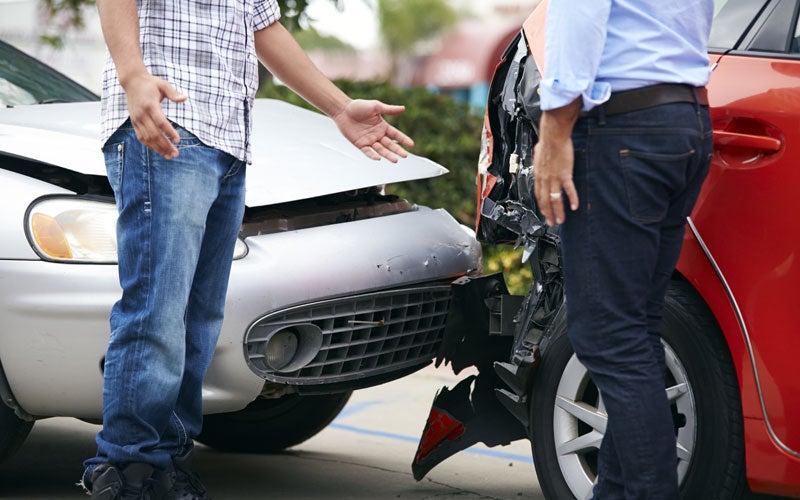
Blog / Car Accidents

5 Essential Safety Tips to Help You Avoid an Accident

Accidents can happen in an instant, often with life-altering consequences. However, many of these incidents are preventable if drivers adhere to key safety practices. By following these five essential tips, you can significantly reduce your risk of being involved in an accident and ensure the safety of yourself and others on the road.

Stay Focused: Avoid Distractions

Distracted driving is one of the leading causes of accidents in the United States. According to the National Highway Traffic Safety Administration (NHTSA), over 3,300 people were killed in accidents involving distracted drivers in 2022 alone. Whether it's checking your phone, eating, or even talking to passengers, distractions take your attention away from the road, where it should always be.

Tip: Before you start driving, eliminate potential distractions. Set your phone to "Do Not Disturb" mode, adjust your mirrors, and program your GPS. If you need to attend to something urgent while driving, pull over to a safe location first. Remember, a few seconds of distraction can lead to a lifetime of regret.

Obey Speed Limits: Slow Down to Stay Safe

Speeding reduces your ability to react in time to prevent an accident and increases the severity of any collision that does occur. In Utah, speeding contributed to nearly 30% of all fatal crashes in 2021, according to the Utah Department of Public Safety. Driving faster than the speed limit might save you a minute or two, but it significantly increases your risk of being involved in a crash. After analyzing of over 10 million insurance quotes, QuoteWizard ranked Utah #1 for worst drivers in America! The 2022 report stated Utah ranks first in speeding, second in citations, fifth in accidents and eighth in DUIs.

Tip: Always adhere to posted speed limits and adjust your speed according to road conditions. For example, if the roads are wet or visibility is poor, reduce your speed even further. Remember, speed limits are set for optimal conditions, not for bad weather or heavy traffic.

Maintain a Safe Following Distance: Give Yourself Time to React

Tailgating, or following another vehicle too closely, dramatically increases the chances of a rear-end collision. The NHTSA reports that nearly one-third of all crashes involve rear-end collisions, many of which are caused by following too closely. Keeping a safe distance between your vehicle and the one in front of you gives you more time to react to sudden stops or unexpected road hazards.

Tip: Use the "three-second rule" to maintain a safe following distance. Choose a fixed point on the road ahead, like a sign or tree. When the vehicle in front of you passes that point, start counting to three. If you reach the point before you finish counting, you're following too closely. In bad weather or heavy traffic, increase the distance to four or five seconds.

Use Your Signals: Communicate Your Intentions Clearly

Using your turn signals is one of the simplest yet most effective ways to prevent accidents. A study by the Society of Automotive Engineers (SAE) found that failing to use turn signals results in over 2 million accidents annually in the U.S. When drivers fail to signal their intentions, they leave others guessing, which can lead to dangerous miscommunications on the road.

Tip: Always use your turn signals at least 100 feet before making a turn or changing lanes. This simple action lets other drivers know what you intend to do, giving them time to adjust their driving accordingly. Never assume other drivers can predict your actions—always make your intentions clear.

Stay Sober: Alcohol and Drugs Don’t Mix with Driving

Driving under the influence of alcohol or drugs is a leading cause of fatal accidents. In 2021, nearly 25% of all traffic-related deaths in Utah were attributed to impaired driving, according to the Utah Highway Safety Office. Alcohol and drugs impair your judgment, slow your reaction times, and significantly reduce your ability to drive safely.

Tip: If you plan to drink, make arrangements for a sober ride home before you go out. Use ride-sharing services, public transportation, or designate a sober driver. If you're taking medication that could impair your driving, stay off the road. No destination is worth risking your life or the lives of others.

Accidents are often preventable, and by following these five essential safety tips, you can greatly reduce your chances of being involved in one. Remember, safe driving is a shared responsibility. Every decision you make behind the wheel affects not only you but everyone else on the road. Stay focused, drive responsibly, and always prioritize safety.

Need legal Assistance?

If you or a loved one has been involved in an accident, understanding your legal rights is crucial. Contact the experienced legal team at Nelson Jones for a consultation. We’re here to help you navigate the complexities of personal injury law and ensure you receive the support and compensation you deserve.

Posted in:

Related Posts

What to Do After a Chain-Reaction Vehicle Crash in Utah

Chain-reaction vehicle crashes, in which a single car crash leads to multiple successive crashes, can be frightening and overwhelming. These types of accidents are common in Utah due to weather conditions, traffic congestion, and distracted drivers. Knowing how to handle this kind of incident can protect both your personal safety and your legal rights. Here’s a step-by-step guide to help you navigate the aftermath of a chain-reaction accident in Utah. more 1. Ensure Safety and Call for Help The first priority is safety. If possible, move your vehicle out of traffic to avoid further collisions. Turn on your hazard lights and ensure everyone in your car is safe. Call 911 to report the accident and request medical assistance if anyone is injured. Even if injuries seem minor, it’s a good idea to have first responders on the scene to assess the situation. 2. Document the Scene Documentation is crucial in a chain-reaction crash. With multiple vehicles involved, understanding and explaining what happened can be challenging. If your smartphone is available and capable, use it to: Take pictures of all vehicles, their positions, and any visible damage. Take pictures of the road’s condition, skid marks, traffic signals and signs, and any debris from vehicles or the road. Record weather conditions and visibility by either taking pictures or recording video; you can even screenshot your weather app at the given time of the incident. If there are witnesses, ask for their contact information and a brief statement of what they saw. Important Notes about Documenting with Smartphones The quality of picture and video resolution captured on your phone can impact the documentation process, so review your smartphone’s specifications and settings to make sure they are taking optimal quality pictures and videos. An adequate amount of free storage space on your smartphone is also important, especially when recording videos which could easily take up a gigabyte of space each. 3. Exchange Information Exchange names, contact information, and insurance details with all drivers involved. It’s essential to remain calm and cooperative during this process. Avoid discussing fault or making statements that could be used against you later. 4. Seek Medical Attention Injuries from chain-reaction crashes may not be immediately apparent. Adrenaline can mask pain, and some injuries, like whiplash, may take days to show symptoms. Seek medical attention as soon as possible to document any injuries and begin treatment. 5. Report the Accident to Your Insurance Company Notify your insurance provider about the accident and stick to the facts when describing what happened. Your insurer will work with you to gather the necessary details. Determining Fault in a Utah Chain-Reaction Crash One of the most complicated aspects of a chain-reaction accident is determining who is at fault. In Utah, liability often depends on the specific circumstances of the crash. Factors That Impact Fault: Initial Cause of the Crash: The driver who triggered the first collision is often a key party in determining liability. Actions of Other Drivers: Each driver’s response to the crash—such as failing to maintain a safe following distance—can contribute to fault. Utah’s Comparative Fault Law: Utah follows a comparative fault system, meaning that fault can be divided among multiple parties. If you are found to be less than 50% at fault, you can still recover damages, but your compensation will be reduced by your percentage of fault. Why You Need Legal Guidance After a Chain-Reaction Crash in Utah Because chain-reaction crash cases involve multiple drivers, insurance companies, and the complex fault determinations of Utah’s legal code, having a personal injury attorney on your side is crucial. An attorney can: Investigate the accident thoroughly. Work with experts to reconstruct the crash. Negotiate with insurance companies to ensure you get fair compensation. At Nelson Jones, we have extensive experience helping Utah residents navigate the legal complexities of chain-reaction vehicle crashes. While every case is unique, we’re here to provide the support and guidance you need. While these accidents can be stressful, knowing how to respond and follow-through can help protect your rights and improve your chances of receiving fair compensation. Follow the steps above, document everything, and consider consulting a personal injury attorney to ensure your best interests are represented. If you’ve been injured in a chain-reaction crash in Utah, contact Nelson Jones today for a free consultation. We’re here to help you understand your options and take the next steps toward recovery.

Comprehensive Guide to Utah's Statute of Limitations

Updated on November 17, 2025 Utah's statute of limitations is crucial for anyone considering legal action to understand. Whether you're dealing with a personal injury, a contract dispute, or another legal issue, knowing how this legal concept works can make a significant difference in your case. Here’s what you need to know, explained in a reader-friendly way. more What is the Statute of Limitations? The statute of limitations is a law that sets the maximum time after an event within which legal proceedings may be initiated. In other words, the time limit to file a lawsuit in Utah. Once this time period passes, you are typically barred from filing a lawsuit related to that event. The purpose of the statute is to ensure cases are brought to court while evidence is still fresh and to provide certainty to potential defendants. Why Does It Matter? If you’re considering legal action, the statute of limitations is critical because it defines your window of opportunity. If you miss this window, you lose the right to sue, regardless of the strength of your case. This is why it’s essential to be aware of the deadlines that apply to your specific situation. For example, in Utah, the statute of limitations for personal injury cases is generally four years from the date of the injury. However, this period can vary significantly depending on the type of case and the specifics involved. How Long Do You Have? The length of the statute of limitations varies depending on the type of legal issue: Personal Injury: In Utah, the general statute of limitations for personal injury case is four years from the date of the injury. However, some personal injury cases have a much shorter deadline, with the statute of limitations as short as one year. This can apply to specific cases, such as claims against government entities or under unique circumstances. Utah Code § 78B-2-307 Medical Malpractice: Typically, you have two years from the date you discovered (or should have discovered) the injury. Utah Code § 78B-3-404 Contract Disputes: Written contracts generally have a six-year statute of limitations, while oral contracts usually have a four-year limit. Property Damage: You generally have three years to bring a case regarding property damage. Utah Code § 78B-2-305(2) Because these timelines can vary greatly depending on your specific situation, it’s critical to contact an attorney as soon as possible after an incident. Consulting with a legal professional ensures you don’t miss important deadlines that could jeopardize your case. Exceptions to the Rule There are exceptions to the statute of limitations that might extend or shorten the filing period. For instance: Discovery Rule: In some cases, the clock doesn’t start until the injury is discovered, which is common in medical malpractice cases. Tolling: The statute of limitations may be paused in certain situations, such as if the injured party is a minor or mentally incapacitated at the time of the injury. Fraudulent Concealment: If the defendant has deliberately concealed the wrongdoing, the statute may be extended. These exceptions are complex and highly specific, making it critical to get legal advice if you think they might apply to your case. What Happens If You Miss the Deadline? If you fail to file your lawsuit within the statute of limitations, your case will almost certainly be dismissed, and you will lose your right to seek compensation. This is why it’s essential to act promptly and seek legal advice as soon as possible after an incident occurs. How We Can Help At Nelson Jones we understand how overwhelming legal issues can be, especially when dealing with the pressure of deadlines. Our team is here to ensure that you fully understand your rights and the timelines that apply to your case. If you’re unsure about whether you still have time to file a claim, don’t hesitate to contact us for a consultation. Remember: Time is of the essence when it comes to legal matters. Understanding the statute of limitations could be the difference between winning and losing your case.

Utah Car Crash Statistics

The Utah Department of Public Safety tracks and publishes traffic accident statistics. We feel it is important to understand what is happening on Utah’s roads. Why? It's simple: knowledge is power. Understanding these statistics isn't just about numbers; it's about our families, friends, and neighbors. It's about knowing what's happening on the roads we travel every day and using this knowledge to make better, safer choices. These numbers tell a story – a story of moments that changed lives, and a story of how we, as a community, can work together to prevent future accidents. So, let's look at these statistics not just as data, but as a roadmap to a safer Utah for all of us. more Here are some general Utah car crash statistics and trends: How many accidents were reported in Utah? In 2023, there were 64,817 car accidents in Utah. Of those: 18,316 were injury accidents, resulting in 26,329 injuries. 249 were fatal car crashes, resulting in 278 fatalities. Type of Accident Number of Accidents Injuries/Fatalities Total Car Accidents 64,817 - Injury Accidents 18,316 26,329 Injuries Fatal Car Crashes 249 278 Fatalities 2023 fatal crash numbers were down from the last 3 years. The percentage of fatalities per accident, however, has gone up from 0.38% in 2022 to 0.66% in 2023. When are accidents occurring? Tuesday and Friday were a virtual tie for the most accident-prone days of the week. I am sure there is no surprise that 4:00pm - 6:00pm was prime time for a crash, also known as rush hour. Who is getting in accidents? Drivers 20 years of age and younger made up 25% of accidents. This groups leading cause of accidents was following too closely and failing to yield right-or-way. Individuals aged 21-24 lead all age groups in accidents caused by driving too fast for the conditions. What are the causes of accidents? The most common causes of accidents in Utah probably don’t surprise you. Young drivers, distracted drivers, weather conditions and time of day are contributors to the likelihood of getting in an accident. These items listed below factor in to the most common causes of accidents in Utah: Stay Safe, Utah! Driving is an essential part of our lives. While some accidents maybe unavoidable, we can take all the precautions necessary to limit the possibility of causing or being involved in a car crash. If you sustain injuries in a car accident, it is important to seek assistance in navigating the aftermath. Allow Nelson Jones to take on the burden of all of the details so you can focus on healing. Our personable and attentive service will increase your chances of receiving fair compensation.