Blog / Personal Injury

Blog

All Personal Injury Car Accidents Lifestyle and Law Nelson Jones Service The Firm Divorce Family Law Law Enforcement Utah News West Jordan Legal Service Pedestrian Accident Wrongful Death
traumatic brain injury (TBI) in Utah

How Can a Traumatic Brain Injury Lawyer Prove Long-Term Impact?

If a head injury has disrupted your life and was caused by someone else's negligence, you have the right to compensation. But a unique feature of these injuries is that they often have long-term impacts which can sometimes be tricky to prove. A West Jordan, UT traumatic brain injury attorney will be able to use and build a case that shows the lasting changes you're likely to experience, so you can get proper compensation. How Your West Jordan, UT Traumatic Brain Injury Attorney Builds Your Case 1. Medical Proof It all starts with finding and compiling all the necessary medical proof to tie the initial trauma to your ongoing problems. Right after the accident, you likely had imaging like CT scans or MRIs, but many long-term effects involve subtle changes in brain function that standard tests might miss or that weren't evident immediately. Follow-up scans, blood work, and repeated neurological exams can all be used to create a timeline that shows how the injury has evolved. Insurance companies love to object that your symptoms must be coming from something else other than the accident they're obligated to recompense you for. Without clear records that show a consistent trajectory from the time of the accident, it can be hard to prove that your challenges are permanent rather than temporary. 2. Proper Testing Neuropsychological testing is an important way to gather objective data on any cognitive deficits you might be experiencing. You sit through a series of standardized assessments, and these measure your memory, attention span, processing speed, problem-solving ability, and overall executive function. These tests compare your current performance against what would be expected for someone of your age, education, and background. Results from these evaluations often reveal when you're having issues like difficulty concentrating or emotional regulation that you might struggle to describe in words alone. 3. Consulting Specialists Specialists can be very helpful in these cases, and your lawyer will have a network of expert witnesses to bring in. Neurologists, for example, can review your history and test results and then explain the mechanisms behind your symptoms to a judge, jury, or insurer. Neuropsychologists can translate your test scores into a practical explanation of what your real-world limitations actually are, such as why you now forget appointments or become overwhelmed in noisy environments. In some cases, you might need vocational experts. These experts look at how your new cognitive deficits limit your job options or earning capacity and then use this information to calculate what you've lost in terms of future income based on your pre-injury career trajectory. And in cases where the damage is particularly severe, you might need life care planners. These experts can explain your ongoing medical needs, like therapy, medications, assistive devices, or home modifications, and then turn all this into real dollar projections. If you're facing challenges after a head injury, you don't have to go through this alone. Talk to us right away at Nelson Jones in West Jordan, UT. We serve clients throughout the state from our offices in West Jordan, Salt Lake City, and St. George.


Pedestrian accident lawyer in Utah.

What Rights Do Pedestrians Have When Hit by a Vehicle in Utah?

If a vehicle hits you while you're walking, you have specific legal rights under Utah law that can help you get compensation for your injuries. A pedestrian accident attorney can explain them and fight for your rights after a West Jordan, UT accident. Your Right-of-Way in Crosswalks Utah law requires drivers to slow down or stop to let you pass if you are already on their half of the roadway or approaching closely enough to be in danger. This applies even if there are no painted lines, as long as you are at an intersection where a crosswalk would logically exist. Now, you cannot suddenly step off the curb into the path of a vehicle that is so close it creates an immediate hazard, and, if you do, you'll likely be assigned a lot of fault if there's an accident. But once you are properly in the crosswalk, the driver has the duty to yield. Driver's Ongoing Duty of Care Every driver must exercise due care to avoid hitting pedestrians, give an audible signal when needed to warn them they are approaching, and take extra precautions around children, confused persons, or anyone who looks incapacitated. This duty exists no matter where you as a pedestrian might be on the road. Even if you were crossing outside a crosswalk, the driver still cannot simply plow ahead without watching for you. When You Must Yield the Right of Way Outside a crosswalk or between signalized intersections, pedestrians must yield to vehicles already on the roadway. They cannot cross diagonally at an intersection unless a traffic device specifically allows it, and they must use tunnels or overpasses when they are provided. All the rules above will be used by the courts to help them assign percentages of fault if both you and the driver contributed to the crash. How Fault Is Shared Under Utah's Comparative Negligence Rule Utah has a modified comparative negligence system where your percentage of fault does not automatically prevent you from recovering damages as long as it stays below 50%. If, for example, you were 30% at fault for not using a pedestrian overpass that was available, and the driver was 70% at fault for speeding and not giving way, you would be compensated for all but 30% of your losses. What Compensation You Can Pursue When a driver's negligence causes the collision, you have the right to compensation for your economic losses, like medical bills and lost salary; your non-economic damages, like pain and the emotional effects of the injury; and sometimes for punitive damages, but only if the driver's behavior was egregiously reckless or malicious. Protecting Your Rights With a Pedestrian Accident Attorney An attorney familiar with the area can move quickly to get the evidence you need and use it to defend your rights. If you've been in a pedestrian accident, contact the law firm of Nelson Jones in West Jordan, UT for a free consultation. We also serve Salt Lake City and St. George.

Wrongful Death Attorney in Salt Lake County Utah

How Can a Wrongful Death Attorney Help Families Seek Justice?

When someone you love dies because of another person's negligence, there are plenty of challenges you will have to face. One of them should not be having to go through the legal process of bringing a wrongful death claim. A wrongful death lawyer with experience here in West Jordan, UT can take over the burden so you can seek justice. What a Wrongful Death Claim Involves A wrongful death claim lets surviving family members or the representative of an estate hold the responsible party accountable. The main purpose of the claim is to recover the money that the family lost in caring for their loved one and get compensation for the loss of that person's care, love, and economic contributions into the future. Steps Your Wrongful Death Attorney Takes on Your Behalf You do not have to figure this out alone. Your attorney knows that this is a difficult time and will step in right away to handle the details so you can focus on your family. The lawyer's first job will be to investigate the facts and collect all the evidence to show exactly what went wrong and who is responsible for it. Using this, your attorney will build your legal case by proving the four key elements necessary to show negligence. These are: Duty of care Breach of that duty Causation Damages Your attorney will also work to figure out the full value of your claim. These include economic losses, such as the cost of the funeral, any medical bills that were incurred before your loved one died, and whatever income your loved one could've been expected to earn over a lifetime. You are also entitled to non-economic damages. These are much harder to measure, but your lawyer will calculate what's appropriate to ask for. In some cases, punitive damages may also be appropriate. These are rare, but if the responsible party's behavior was particularly egregious, punitive damages may be justified. Your lawyer can tell you more. More Than Filling Out Forms Your lawyer does a lot more than just fill out some paperwork. Your lawyer will manage all the communication with the insurance adjusters, and this in itself is a great benefit. Adjusters usually try to close claims quickly and as cheaply as possible, and they are not primarily concerned with your loss but their own. Your lawyer will take over all interactions with them. Your lawyer will also review every settlement offer to make sure it's fair to you and, if it's not counter with evidence and continue negotiating until the amount being offered reflects the reality of your loss. And of course, if these talks fail, your lawyer will prepare a lawsuit and represent you in court, with all that this entails. Talk to a West Jordan, UT Lawyer Today We understand how hard this time can be, and our goal is to provide compassionate legal support during this hard time. Contact Nelson Jones, Utah Personal Injury Lawyers, today in West Jordan for a consultation.

slip and fall lawyers

What Evidence Is Most Important in a Slip-and-Fall Case?

If you have been involved in a slip-and-fall incident, you may have the right to bring a claim against the owner or a manager of the property where it happened. For this claim to be successful, you will need evidence and the help of a slip-and-fall lawyer with experience here in the West Jordan, UT area. The Most Important Evidence Your West Jordan, UT Slip-and-Fall Lawyer Will Use 1. Video Footage If there's any video footage of the incident, this will be extremely valuable. It can establish the fact of your fall, show that you were not being careless, and may also be able to show that the hazard was not immediately obvious to you. Video footage from a security camera can also demonstrate that a hazard had been in place for a while and had not been properly dealt with. Not every slip-and-fall case will have video footage, but it's always great when it does exist. 2. Pictures Immediately after your fall, if you are able, take some pictures of the area. These pictures need to show the hazard and the surrounding area. Do this quickly, especially if there are no markings or warnings about the hazard. Once you fall, the property owner or manager is likely to put up warnings immediately and may then later try to argue that the warnings were there at the time of your incident. 3. Witness Testimony Witness testimony is always helpful. If someone saw you fall, they can testify to what happened and testify to whether the hazard was obvious or properly marked. All this goes towards showing liability on the part of the property owner or manager. 4. Internal Records If you were injured on a business property, your lawyer may want to subpoena internal records and reports from the business to find out if anyone had reported the hazard. If they did, this shows that those responsible for keeping the property safe for visitors knew about the hazard and ignored it. This would show a breach in their duty of care towards visitors and help to establish liability. 5. Medical Records To bring a successful claim, you will need to show that you suffered actual damages because of an accident caused by the negligence of another. Your medical records will establish the damage that you suffered, and the sooner you are treated after a fall, the clearer this connection is. Never wait too long to get medical help, as this gives the insurance company covering the property owner room to argue that either your injuries resulted from something apart from the fall or that they are not serious. Talk to a Lawyer Right Away Your lawyer will know how to gather all of this evidence and use it well in your case. Security camera footage and internal records may “disappear” if you don't get access to them quickly, so the sooner you speak with a lawyer, the better. Call us now at Nelson Jones at 385-275-6812 to set up a consultation here in West Jordan.

When Can a Dog Bite Attorney Hold the Owner Liable for Injuries in Utah?

Dog bites can cause serious physical and emotional injuries. When dog owners fail to take reasonable steps to control their animals, Utah law allows injured individuals to pursue compensation for the harm they suffer. If you have been bitten by a dog, speaking with a Utah dog bite attorney can help you understand your rights, evaluate liability, and determine what legal options may be available to you. Utah’s dog bite laws are designed to protect the public while placing responsibility on those who own or control dogs. However, liability is not always straightforward. Understanding when an owner can be held responsible and when exceptions may apply is an important first step after a dog attack. When Can a Dog Owner Be Held Liable for a Bite in Utah? Utah follows a version of what is commonly referred to as the “one bite rule,” but the state has expanded liability well beyond that traditional concept. Under Utah law, dog owners are generally responsible for injuries caused by their dogs, even if the dog has never bitten anyone before and has never shown signs of aggression. Liability is not limited to the legal owner alone. Anyone who is keeping or controlling the dog at the time of the incident may also be held responsible. This can include family members, friends, house sitters, or paid dog walkers who had custody or control of the dog when the bite occurred. There are limited exceptions to this rule. One notable exception involves law enforcement dogs that are properly trained and being used reasonably in active law enforcement duties. Even then, liability may still exist in certain circumstances, depending on how the incident occurred and who was injured. Negligence and Dog Bite Claims Negligence plays an important role in many dog bite cases. Negligence occurs when someone fails to use reasonable care to protect others from foreseeable harm. In the context of dog bites, this may involve allowing a dog to roam freely, failing to use a leash, ignoring local animal control laws, or failing to secure a gate or enclosure. Utah law also allows liability to extend beyond the dog’s owner. Anyone who violates an animal control law may be held responsible for injuries that result from that violation. For example, if a person unlawfully releases a dog from a secured area and the dog then bites someone, that person may bear responsibility for the resulting injuries. Negligence can also be raised as a defense by dog owners in certain situations. Each case requires careful analysis from a dog bite injury lawyer of the facts, local ordinances, and the actions of everyone involved. Situations Where Liability May Be Limited Although Utah law strongly favors protecting dog bite victims, there are situations where holding a dog owner fully liable may be difficult. These cases are less common but still important to understand. One example involves trespassing. If a person enters private property without permission and is bitten by a dog, the property owner may not be found negligent. Property owners are generally not expected to anticipate trespassers or take steps to protect them from animals kept on their property. Another factor courts may consider is provocation. If evidence shows that the injured person was teasing, hitting, frightening, or otherwise provoking the dog before the bite occurred, liability may be reduced or eliminated under Utah’s comparative fault rules. Provocation does not automatically eliminate a claim, but it can affect how responsibility is assigned. Why Legal Guidance Matters After a Dog Bite Dog bite claims often involve more than a simple injury report. Insurance companies may question how the incident occurred, attempt to shift blame, or minimize the severity of injuries. Medical complications such as infections, scarring, and emotional trauma may not be immediately apparent but can have long-term consequences. A Utah dog bite attorney can help investigate the incident, identify all potentially responsible parties, gather supporting evidence, and pursue compensation that reflects the full impact of the injury. Legal guidance also helps ensure deadlines are met and critical details are not overlooked. Serving Dog Bite Victims Throughout Utah Dog bite injuries can happen anywhere. Legal help should not be limited by city boundaries. Nelson Jones represents individuals injured in dog attacks throughout Utah, including West Jordan, Salt Lake City, St. George, and surrounding communities. No matter where the injury occurred, the focus remains on protecting the injured person and pursuing a fair outcome under Utah law. Speak With a Utah Dog Bite Attorney If you or a loved one has been injured by a dog, understanding your legal rights early can make a meaningful difference in the outcome of your case. Each situation is unique, and liability depends on the specific facts involved. To discuss your options and learn how Utah law applies to your situation, contact Nelson Jones today. Our team provides guidance and representation for dog bite victims across Utah and is ready to help you take the next step forward.

Slip and Fall Accidents in Utah: What Property Owners Are Responsible For

Slip and fall accidents happen more often than people realize, and the injuries can be far more serious than they initially appear. A fall caused by unsafe conditions can lead to broken bones, head injuries, long-term mobility issues, and time away from work. In Utah, property owners have a legal responsibility to keep their premises reasonably safe, and when they fail to do so, they may be held accountable for the resulting harm. Understanding how slip and fall claims work can help injured individuals protect their rights and avoid costly mistakes after an accident. Common Causes of Slip and Fall Accidents Many slip and fall accidents are preventable. They often occur because hazards were left unaddressed or warnings were not provided in time. Common causes include wet or slippery floors, uneven sidewalks, loose carpeting, poor lighting, broken handrails, cluttered walkways, and icy or snow-covered entrances. In commercial settings, spills that are not cleaned promptly or areas that are not properly marked can create dangerous conditions for customers and visitors. In residential or rental properties, failure to maintain stairs, walkways, or common areas may also lead to serious injuries. Property Owner Responsibilities Under Utah Law Utah law requires property owners and occupiers to take reasonable steps to keep their premises safe for visitors. What is considered reasonable depends on the circumstances, including the type of property and the reason the person was there. Businesses, for example, are expected to regularly inspect their premises and address hazards that could harm customers. Property owners may be responsible if they knew about a dangerous condition or should have known about it through reasonable inspections, failed to fix the issue within a reasonable time, or did not provide adequate warnings. Each case depends on specific facts, which is why documentation and timing matter so much in these claims. What to Do After a Slip and Fall Accident The steps taken after a slip and fall accident can significantly impact both health and any potential claim. Seeking medical attention should always come first, even if injuries seem minor at the time. Some injuries, especially head or back injuries, may not show symptoms right away. It is also important to report the incident to the property owner or manager and request a written incident report. Taking photos of the scene, the hazard involved, and any visible injuries can help preserve evidence. Witness contact information can also be valuable later if questions arise about what happened. Injuries Commonly Caused by Slip and Fall Accidents Slip and fall accidents can cause a wide range of injuries. Broken wrists, ankles, and hips are common, particularly in falls involving stairs or uneven surfaces. Back injuries, spinal damage, and head injuries can lead to long-term medical care and physical limitations. In some cases, a fall can result in traumatic brain injuries, even without a direct blow to the head. These injuries may affect memory, concentration, and daily functioning, making recovery more complicated and costly. Compensation Available After a Slip and Fall Injury Individuals injured in slip and fall accidents may be entitled to compensation for medical expenses, ongoing treatment, lost wages, reduced earning capacity, and physical pain. Emotional distress and the impact on quality of life may also be considered, depending on the severity of the injuries. Insurance companies often attempt to minimize these claims by arguing that the injured person was at fault or that the hazard was obvious. Having clear evidence and a well-documented claim can make a significant difference in the outcome. How Fault Is Determined in Utah Slip and Fall Cases Utah follows a comparative fault system. This means compensation may be reduced if the injured person is found partially responsible for the accident. For example, a property owner may argue that a visitor was not paying attention or ignored warning signs. These arguments are common, which is why understanding how fault is assessed is critical. The presence or absence of warnings, the length of time a hazard existed, and whether reasonable inspections were performed all play a role in determining liability. When Legal Guidance Can Help Slip and fall cases can become complex quickly, especially when injuries are serious or liability is disputed. Property owners and insurance carriers often have resources dedicated to protecting their interests. Legal guidance can help level the playing field, handle communications, gather evidence, and pursue fair compensation. If you were injured in a slip and fall accident, speaking with a law firm that handles premises liability cases can help you understand your options and next steps with clarity.

After a motorcycle accident in West Jordan, UT, protect your rights and get the compensation you deserve. Contact a trusted West Jordan motorcycle accident attorney at Nelson Jones for expert legal guidance. Call now for a consultation.

What Should You Do Immediately After a Motorcycle Accident in Utah?

Motorcycle accidents can be devastating, and with all the adrenaline pumping after an incident, it's crucial to know what steps to take. Protecting your health and your rights is essential in this situation. Below are a few tips from a motorcycle accident attorney in West Jordan, UT on what to do immediately after an accident. What Should You Do Immediately After a Motorcycle Accident? 1. Call 911 Always call the authorities right away. If no one is hurt, there’s no visible damage to any vehicles, and you’re not obstructing traffic, you could call the local police on their non-emergency line. However, this is rare with motorcycle accidents, as motorcycles offer little protection to riders and cars are significantly larger. Therefore, 911 is usually the appropriate number to dial. 2. Make Sure Everyone's Safe & Get Medical Care Once you’ve called 911, the next step is ensuring everyone’s safety. If someone is seriously injured, avoid moving them unless it's absolutely necessary, such as if a vehicle is on fire and they need to be moved away from it. Remember, moving an injured person without proper care can worsen their injuries. If you’re injured, go straight to the hospital. Don't worry about gathering evidence at that moment. You can call your lawyer once you’re feeling up to it, and they can begin investigating the accident and collecting evidence on your behalf. Even if you don’t feel seriously injured and decide to wait for the police, make sure to get checked out afterward. If any injuries arise later, you will need medical records to prove they’re connected to the accident. These records will be critical for your claim. 3. Exchange Information & Gather Evidence If you’re not too injured to do so, exchange essential information with the other driver. This includes names, contact details, vehicle registration information, and insurance details. If you’re well enough, try to gather evidence while everything is fresh. Take photos of the accident scene from multiple angles, including close-ups and panoramic shots. Note if there are any cameras in the area that may have captured the accident, and be sure to get the contact information of any witnesses. 4. Call a West Jordan, UT Motorcycle Accident Attorney As soon as you're able, contact a motorcycle accident attorney in West Jordan, Utah. An experienced motorcycle accident lawyer knows the challenges you face as a motorcyclist, and will fight on your behalf against insurance companies and any unfair accusations. Your lawyer can negotiate for you, protect you from signing settlements that aren’t in your best interest, and, if necessary, take your claim to court. If you’ve been in an accident, call Nelson Jones in West Jordan, UT, now at 385-275-6812 for a consultation.

How Can a Car Accident Lawyer Help Prove Fault After a Crash?

If you have been in a car accident in Utah, it's vital to seek legal advice. A Utah car accident lawyer can help secure the compensation you deserve, protect you against spurious claims, and collect the required evidence to prove you were not at fault. How Can a Car Accident Lawyer Help Prove Fault After a Crash in West Jordan, UT? Every driver in Utah must carry Personal Injury Protection (PIP), which covers the cost of medical expenses and related costs in the event of a collision. Utah is a no-fault state, so drivers typically claim on their own insurance. There is no need to prove who was responsible for the accident to claim PIP. However, PIP coverage has a maximum threshold, and if the value of the costs exceeds this, a claim for compensation should be made. You can also make a claim for compensation if the criteria for a serious injury have been met. To succeed with a compensation claim in Utah, you must be able to prove fault. A car accident attorney can help with this. Why Is Proving Fault Important? It's vital to show who was at fault, even for small, low-value claims. This is because the legal minimum coverage for PIP is set relatively low at just $3,000 per person for medical expenses. Therefore, even small collisions can very quickly eclipse the maximum value. There is also the risk of the claim increasing if injuries worsen at a later date. How Can Fault Be Determined? A Utah car accident lawyer will seek to collect a variety of evidence to show who was responsible for the collision. This may vary slightly depending on the circumstances but would typically include: Photos and Video Footage Photographs and video footage from the time of the accident can be very revealing. If you are not seriously hurt, any photos or videos you can take will be helpful to your lawyer. They will also seek to use images from dash cameras, traffic cameras, and any other security cameras in the vicinity. Witness Statements Eyewitness accounts are strong evidence and can be very persuasive in court, should the case go to trial. Your lawyer will collect statements from any independent witnesses as soon as possible after the event. If you did not collect the contact details of any witnesses, your lawyer may be able to obtain them from the police report. Medical Evidence It is always advisable to see a medical professional after you have been in a collision. This can provide an objective account of the injuries you sustained. Your lawyer may also arrange for you to be examined by an independent doctor. This allows the examiner to document any further injuries and observe the full extent of your impairments and pain. The earlier we get to work, the easier it is to collect concrete evidence that proves where the fault lies. If you have been in a collision, get in touch with us without any delay at Nelson Jones in West Jordan, UT.

accident

How Do Personal Injury Lawyers Get Paid? Understanding Contingency Fees

If you’ve been injured in an accident, one of your first concerns might be "How much does it cost to hire a personal injury attorney?" Many people assume they need to pay upfront fees or expensive hourly rates to get legal help. The truth is, working with a contingency fee lawyer at Nelson Jones costs nothing out of pocket and you only pay if we settle or win your case. What Is a Contingency Fee? Most personal injury lawyers work on contingency—but what does that actually mean? A contingency fee means: You don’t pay anything upfront to hire a lawyer. Your lawyer only gets paid after they settle or win your case. The attorney's fee comes from the settlement proceeds or the jury verdict, not your pocket. This system makes hiring a personal injury lawyer risk-free for you. You can get experienced legal help without worrying about paying anything out of pocket. No Hourly Fees, No Retainers, No Upfront Costs Unlike other types of lawyers who charge by the hour or require a retainer (an upfront deposit), personal injury attorneys on contingency get paid only after your case is successfully resolved. If you we don't settle or win your case, you owe nothing—simple as that. How Much Does a Lawyer on Contingency Get Paid? At firms like Nelson Jones, payment comes from a percentage of the settlement or verdict recovered for you. This percentage is agreed upon before moving forward with the case so there are no surprises, Something important to know, your Nelson Jones attorney will never take more in fees than you receive. The goal is to get you the maximum compensation possible while ensuring you walk away with the largest share of your settlement. How a Contingency Fee Payment Structure Benefits You Save Money – Since fees come from the final settlement, you can focus on recovery instead of worrying about legal bills. No Financial Risk – You never have to worry about paying out of pocket, making legal help accessible to everyone. Motivated Representation – Your lawyer is fully invested in winning your case because they don’t get paid unless you do. We Can Help You at No Cost, No Obligation If you’ve been injured in an accident and are unsure about your next steps, don’t let cost concerns stop you from getting the legal help you deserve. At Nelson Jones, we offer free consultations and will walk you through your options with no pressure and no upfront costs. Call us today to discuss your case—we only get paid when you do, and we’re ready to fight for you.

What to Do After a Chain-Reaction Vehicle Crash in Utah

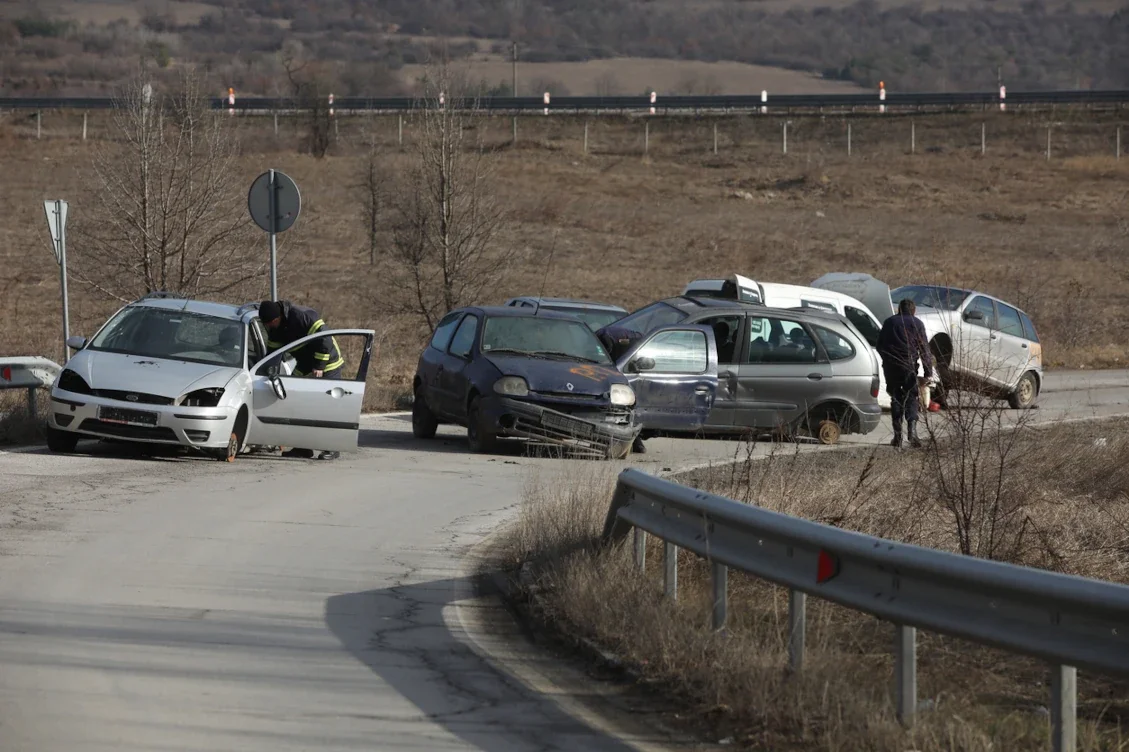
Chain-reaction vehicle crashes, in which a single car crash leads to multiple successive crashes, can be frightening and overwhelming. These types of accidents are common in Utah due to weather conditions, traffic congestion, and distracted drivers. Knowing how to handle this kind of incident can protect both your personal safety and your legal rights. Here’s a step-by-step guide to help you navigate the aftermath of a chain-reaction accident in Utah. 1. Ensure Safety and Call for Help The first priority is safety. If possible, move your vehicle out of traffic to avoid further collisions. Turn on your hazard lights and ensure everyone in your car is safe. Call 911 to report the accident and request medical assistance if anyone is injured. Even if injuries seem minor, it’s a good idea to have first responders on the scene to assess the situation. 2. Document the Scene Documentation is crucial in a chain-reaction crash. With multiple vehicles involved, understanding and explaining what happened can be challenging. If your smartphone is available and capable, use it to: Take pictures of all vehicles, their positions, and any visible damage. Take pictures of the road’s condition, skid marks, traffic signals and signs, and any debris from vehicles or the road. Record weather conditions and visibility by either taking pictures or recording video; you can even screenshot your weather app at the given time of the incident. If there are witnesses, ask for their contact information and a brief statement of what they saw. Important Notes about Documenting with Smartphones The quality of picture and video resolution captured on your phone can impact the documentation process, so review your smartphone’s specifications and settings to make sure they are taking optimal quality pictures and videos. An adequate amount of free storage space on your smartphone is also important, especially when recording videos which could easily take up a gigabyte of space each. 3. Exchange Information Exchange names, contact information, and insurance details with all drivers involved. It’s essential to remain calm and cooperative during this process. Avoid discussing fault or making statements that could be used against you later. 4. Seek Medical Attention Injuries from chain-reaction crashes may not be immediately apparent. Adrenaline can mask pain, and some injuries, like whiplash, may take days to show symptoms. Seek medical attention as soon as possible to document any injuries and begin treatment. 5. Report the Accident to Your Insurance Company Notify your insurance provider about the accident and stick to the facts when describing what happened. Your insurer will work with you to gather the necessary details. Determining Fault in a Utah Chain-Reaction Crash One of the most complicated aspects of a chain-reaction accident is determining who is at fault. In Utah, liability often depends on the specific circumstances of the crash. Factors That Impact Fault: Initial Cause of the Crash: The driver who triggered the first collision is often a key party in determining liability. Actions of Other Drivers: Each driver’s response to the crash—such as failing to maintain a safe following distance—can contribute to fault. Utah’s Comparative Fault Law: Utah follows a comparative fault system, meaning that fault can be divided among multiple parties. If you are found to be less than 50% at fault, you can still recover damages, but your compensation will be reduced by your percentage of fault. Why You Need Legal Guidance After a Chain-Reaction Crash in Utah Because chain-reaction crash cases involve multiple drivers, insurance companies, and the complex fault determinations of Utah’s legal code, having a personal injury attorney on your side is crucial. An attorney can: Investigate the accident thoroughly. Work with experts to reconstruct the crash. Negotiate with insurance companies to ensure you get fair compensation. At Nelson Jones, we have extensive experience helping Utah residents navigate the legal complexities of chain-reaction vehicle crashes. While every case is unique, we’re here to provide the support and guidance you need. While these accidents can be stressful, knowing how to respond and follow-through can help protect your rights and improve your chances of receiving fair compensation. Follow the steps above, document everything, and consider consulting a personal injury attorney to ensure your best interests are represented. If you’ve been injured in a chain-reaction crash in Utah, contact Nelson Jones today for a free consultation. We’re here to help you understand your options and take the next steps toward recovery.

Comprehensive Guide to Utah's Statute of Limitations

Updated on November 17, 2025 Utah's statute of limitations is crucial for anyone considering legal action to understand. Whether you're dealing with a personal injury, a contract dispute, or another legal issue, knowing how this legal concept works can make a significant difference in your case. Here’s what you need to know, explained in a reader-friendly way. What is the Statute of Limitations? The statute of limitations is a law that sets the maximum time after an event within which legal proceedings may be initiated. In other words, the time limit to file a lawsuit in Utah. Once this time period passes, you are typically barred from filing a lawsuit related to that event. The purpose of the statute is to ensure cases are brought to court while evidence is still fresh and to provide certainty to potential defendants. Why Does It Matter? If you’re considering legal action, the statute of limitations is critical because it defines your window of opportunity. If you miss this window, you lose the right to sue, regardless of the strength of your case. This is why it’s essential to be aware of the deadlines that apply to your specific situation. For example, in Utah, the statute of limitations for personal injury cases is generally four years from the date of the injury. However, this period can vary significantly depending on the type of case and the specifics involved. How Long Do You Have? The length of the statute of limitations varies depending on the type of legal issue: Personal Injury: In Utah, the general statute of limitations for personal injury case is four years from the date of the injury. However, some personal injury cases have a much shorter deadline, with the statute of limitations as short as one year. This can apply to specific cases, such as claims against government entities or under unique circumstances. Utah Code § 78B-2-307 Medical Malpractice: Typically, you have two years from the date you discovered (or should have discovered) the injury. Utah Code § 78B-3-404 Contract Disputes: Written contracts generally have a six-year statute of limitations, while oral contracts usually have a four-year limit. Property Damage: You generally have three years to bring a case regarding property damage. Utah Code § 78B-2-305(2) Because these timelines can vary greatly depending on your specific situation, it’s critical to contact an attorney as soon as possible after an incident. Consulting with a legal professional ensures you don’t miss important deadlines that could jeopardize your case. Exceptions to the Rule There are exceptions to the statute of limitations that might extend or shorten the filing period. For instance: Discovery Rule: In some cases, the clock doesn’t start until the injury is discovered, which is common in medical malpractice cases. Tolling: The statute of limitations may be paused in certain situations, such as if the injured party is a minor or mentally incapacitated at the time of the injury. Fraudulent Concealment: If the defendant has deliberately concealed the wrongdoing, the statute may be extended. These exceptions are complex and highly specific, making it critical to get legal advice if you think they might apply to your case. What Happens If You Miss the Deadline? If you fail to file your lawsuit within the statute of limitations, your case will almost certainly be dismissed, and you will lose your right to seek compensation. This is why it’s essential to act promptly and seek legal advice as soon as possible after an incident occurs. How We Can Help At Nelson Jones we understand how overwhelming legal issues can be, especially when dealing with the pressure of deadlines. Our team is here to ensure that you fully understand your rights and the timelines that apply to your case. If you’re unsure about whether you still have time to file a claim, don’t hesitate to contact us for a consultation. Remember: Time is of the essence when it comes to legal matters. Understanding the statute of limitations could be the difference between winning and losing your case.

Steps to Take Immediately After a Personal Injury

Experiencing a personal injury can be an overwhelming and confusing time. Understanding the essential steps to take immediately after a personal injury can make all the difference in ensuring your rights are protected and you receive the compensation you deserve. 1. Seek Medical Attention Immediately Even if you feel perfectly fine in the aftermath of an accident, it's imperative to seek medical attention. The body often goes into an adrenaline-fueled "fight or flight" mode after traumatic events, which can mask pain and injuries. Once the adrenaline subsides, you might start to feel the true extent of your injuries. It's better to be safe and get a professional evaluation. Not only does this protect your health, but it also provides vital documentation should you decide to pursue a legal claim. 2. Gather All Relevant Insurance Information If your injury involves another party, such as in a car accident or a slip and fall at a business, make sure you collect any available insurance information. This is a critical step in ensuring that you can open a claim and potentially receive compensation for your injuries and any associated costs. 3. Document the Scene with Photos Visual evidence can be pivotal in personal injury cases. If possible, take photos of the accident scene, any visible injuries, and anything else that might be relevant. This can include damaged vehicles, hazardous conditions, or other contributing factors. These photos can provide a clear picture of what happened and might be instrumental in proving negligence or fault. 4. Start a Personal Journal Beginning a journal can serve multiple purposes. Your first entry should be a detailed account of what you remember from the accident. This makes certain that the events remain clear in your mind and provides a written record close to the time of the incident. Following that, make regular entries about your physical pain, mental state, and emotional wellbeing. This journal can paint a vivid picture of your recovery journey and might be invaluable in demonstrating the extent of your suffering and the impact the injury has had on your daily life. Personal injuries can be life-altering, and the path to recovery can be both physically and emotionally challenging. By taking these steps, you not only safeguard your health but also strengthen any potential legal claims. Remember, consulting with a specialized local attorney can provide guidance tailored to Utah's specific laws and ensure your rights are fully protected.

Contact Us

Fill out this form below and we'll contact you shortly
*Required Fields