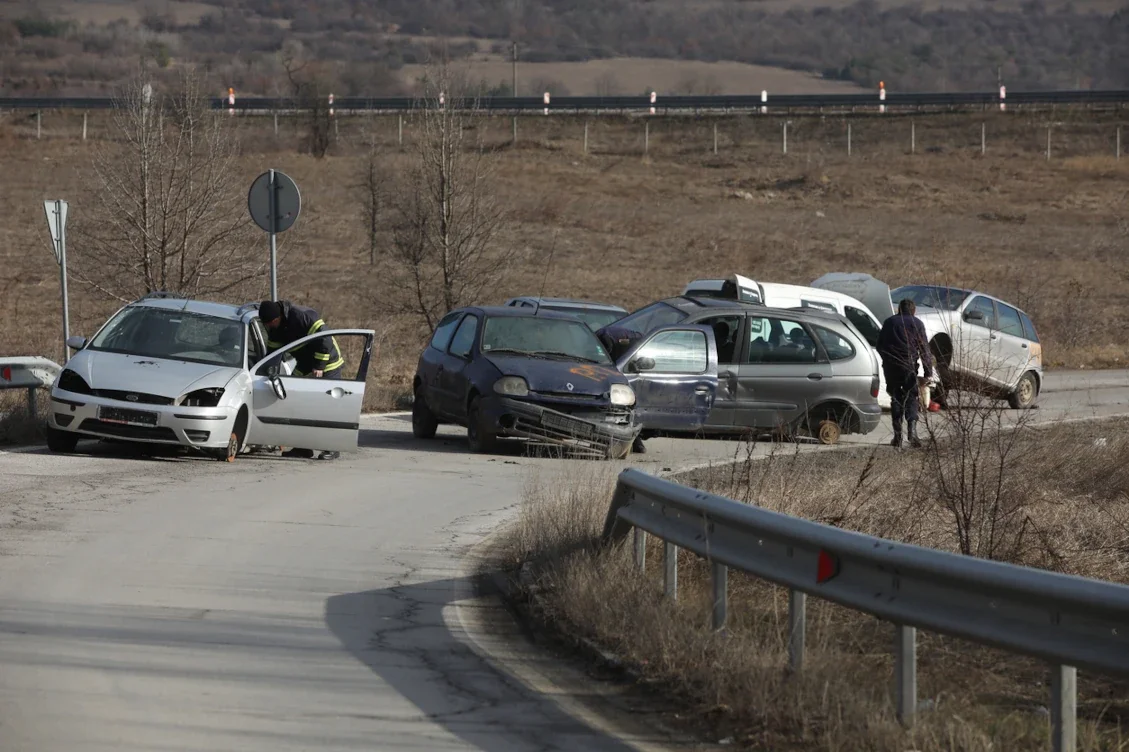
Chain-reaction vehicle crashes, in which a single car crash leads to multiple successive crashes, can be frightening and overwhelming. These types of accidents are common in Utah due to weather conditions, traffic congestion, and distracted drivers. Knowing how to handle this kind of incident can protect both your personal safety and your legal rights.
Here’s a step-by-step guide to help you navigate the aftermath of a chain-reaction accident in Utah.
1. Ensure Safety and Call for Help
The first priority is safety. If possible, move your vehicle out of traffic to avoid further collisions. Turn on your hazard lights and ensure everyone in your car is safe.
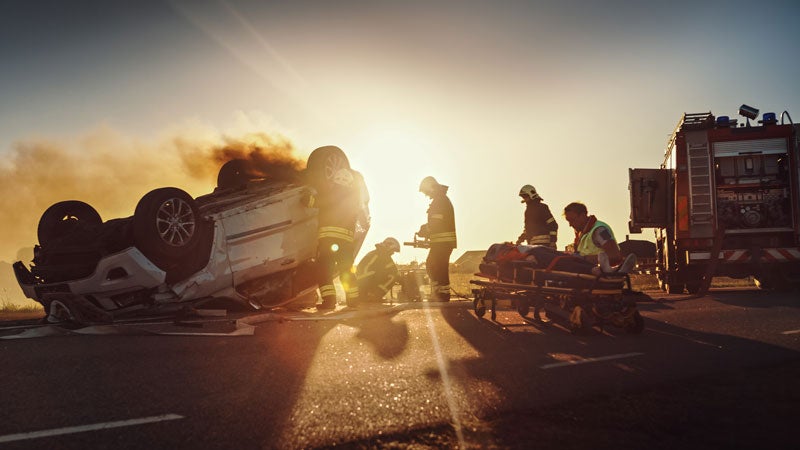
Call 911 to report the accident and request medical assistance if anyone is injured. Even if injuries seem minor, it’s a good idea to have first responders on the scene to assess the situation.
2. Document the Scene
Documentation is crucial in a chain-reaction crash. With multiple vehicles involved, understanding and explaining what happened can be challenging.
If your smartphone is available and capable, use it to:
- Take pictures of all vehicles, their positions, and any visible damage.
- Take pictures of the road’s condition, skid marks, traffic signals and signs, and any debris from vehicles or the road.
- Record weather conditions and visibility by either taking pictures or recording video; you can even screenshot your weather app at the given time of the incident.
If there are witnesses, ask for their contact information and a brief statement of what they saw.
Important Notes about Documenting with Smartphones
The quality of picture and video resolution captured on your phone can impact the documentation process, so review your smartphone’s specifications and settings to make sure they are taking optimal quality pictures and videos.
An adequate amount of free storage space on your smartphone is also important, especially when recording videos which could easily take up a gigabyte of space each.
3. Exchange Information
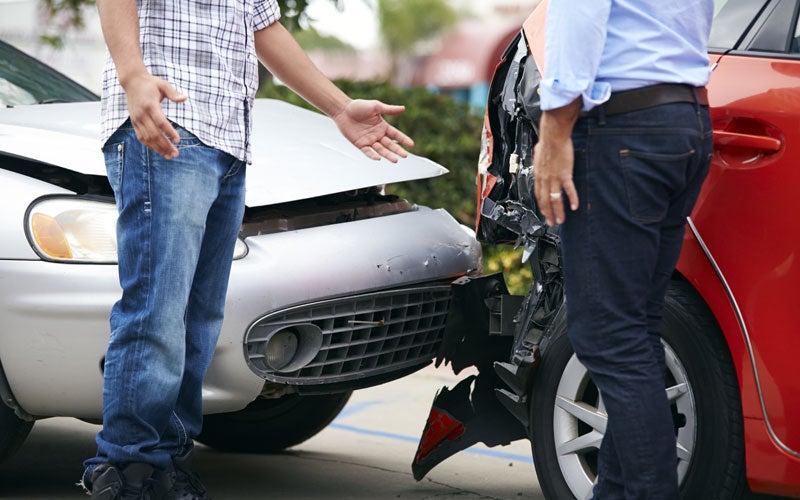
Exchange names, contact information, and insurance details with all drivers involved. It’s essential to remain calm and cooperative during this process. Avoid discussing fault or making statements that could be used against you later.
4. Seek Medical Attention
Injuries from chain-reaction crashes may not be immediately apparent. Adrenaline can mask pain, and some injuries, like whiplash, may take days to show symptoms. Seek medical attention as soon as possible to document any injuries and begin treatment.
5. Report the Accident to Your Insurance Company
Notify your insurance provider about the accident and stick to the facts when describing what happened. Your insurer will work with you to gather the necessary details.
Determining Fault in a Utah Chain-Reaction Crash
One of the most complicated aspects of a chain-reaction accident is determining who is at fault. In Utah, liability often depends on the specific circumstances of the crash.
Factors That Impact Fault:
- Initial Cause of the Crash: The driver who triggered the first collision is often a key party in determining liability.
- Actions of Other Drivers: Each driver’s response to the crash—such as failing to maintain a safe following distance—can contribute to fault.
- Utah’s Comparative Fault Law: Utah follows a comparative fault system, meaning that fault can be divided among multiple parties. If you are found to be less than 50% at fault, you can still recover damages, but your compensation will be reduced by your percentage of fault.
Why You Need Legal Guidance After a Chain-Reaction Crash in Utah
Because chain-reaction crash cases involve multiple drivers, insurance companies, and the complex fault determinations of Utah’s legal code, having a personal injury attorney on your side is crucial. An attorney can:
- Investigate the accident thoroughly.
- Work with experts to reconstruct the crash.
- Negotiate with insurance companies to ensure you get fair compensation.
At Nelson Jones, we have extensive experience helping Utah residents navigate the legal complexities of chain-reaction vehicle crashes. While every case is unique, we’re here to provide the support and guidance you need.
While these accidents can be stressful, knowing how to respond and follow-through can help protect your rights and improve your chances of receiving fair compensation. Follow the steps above, document everything, and consider consulting a personal injury attorney to ensure your best interests are represented.
If you’ve been injured in a chain-reaction crash in Utah, contact Nelson Jones today for a free consultation. We’re here to help you understand your options and take the next steps toward recovery.